







 Teenager
 Student
 Career (searching)
 Party!
 On the plane
 Travel friendly
 Day trip
 Postcards
 Beauty gifts
 <3 Gift Card
 7-Skin Method
 1 Day 1 Mask
 Best of K-beauty
 Face Gym
 Glass skin
 Haru Haru Exclusives
 Fashion & Lifestyle

 1. Cleansing
 2. Toner
 3. Eye cream
 4. Treatment / Boost
 5. Moisturizer
 6. Sun protection
 6. Night treatments
 Skin type - Normal
 Skin type - Dry
 Skin type - Oily
 Skin type - Combi
 Skin type - Sensitive
 Skin concern - Dehydrated
 Skin concern - Pigmentation
 Skin concern - Acne
 Skin concern - Wrinkles
 How much should I use?
 Applications and handlings
 Sequence and waiting times
 Mask guideline
 Recycle & upcycle
 Natural vs. synthetic
 Clean vs. dirty beauty
 Mineral vs. chemical UV filter
 Open and closed pores
 Oils are bad for oily skin types
 No makeup, no double cleansing
 No sun, no sunscreen
 Scary acids
 Oily skin, no moisturizer
 Sheet Masking Tips
 7 Skin Method
 Pigmentations & dullness
 Wrinkles & lines
 Acne & pimples
 Enlarged pores
 Oil control
 ⤷ Sebum production
 Ingredients
 Glossary
 FAQ: kbeauty
 FAQ: skincare
 Workshops
 Skintype quiz
 Routine quiz
 Acne quiz











-
All products are added to your cart.
What is acne?
Acne is a skin condition that occurs when the hair follicles are clogged with oil and dead skin cells. It causes whiteheads, blackheads or pimples. Acne usually occurs in teenagers, although people influence all ages. A pimple is created when bacteria is hidden in a pore and leaves under the skin surface. This will cause swelling (often with pus). Different effective acne treatments are available, but acne can also be very difficult.
What causes acne?
In addition to heredity and hormones (age, stress, diet can affect hormones), other external factors can cause acne and / or aggravate:
1) Accumulation of oil and dirt: daily melts and pulls a layer of oil (care product, makeup, exhaust) together with other dirt candles (dead skin cells, particulate matter) in the pores when they are not properly cleaned and remain on the skin.
2) Damaged skin barrier: as a result, the skin barrier cannot provide sufficient protection against bacteria that prevent pimples faster.
3) Spreading bacteria: hygiene plays an important role in the creation and therefore also in reducing it.
4) Fungal acne: the yeast responsible for this (Malassezia) feeds on skin oils. When your skin produces excess sebum, this yeast multiplies rapidly. It often thrives when moisture becomes trapped—such as from sweaty workout clothes—or from using heavy, oil-based skincare and makeup. Additionally, fungal acne can be triggered by oral or topical antibiotics. These medications eliminate the "good" bacteria that normally keep yeast in check, allowing the fungus to take over.
How can I reduce it?
To begin with, there are various causes of acne. Keep this in mind when preventing and reducing.
1. Reduce and stop spreading of
2. Identify cause and address it effectively
3. Pimples aftercare - promote skin recovery and reduce pigmentation
If we know the cause of our acne, we can make our routine more appropriate.
|
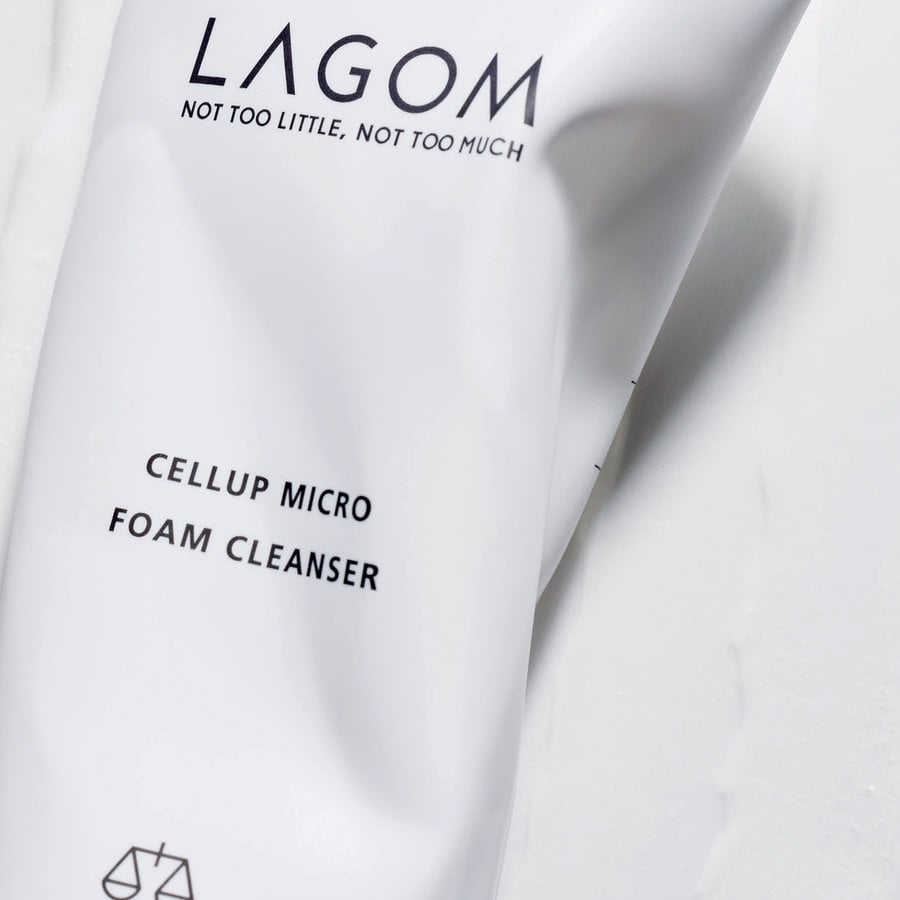
Approach non-inflamed pores (whiteheads, blackheads): 1. Cleanse thoroughly: cleanse your skin properly both in the morning and (especially) in the evening.
|
|
Approach inflamed pores (red and irritated (hormonal) pimples): 1. Use a clean towel (or skip it entirely): towels can easily harbor and spread bacteria. Use a fresh, clean towel after every wash and gently pat your face dry. Even better, skip the towel altogether—using your clean hands to sweep away excess water is often more than enough.
|
Ingredients we ♥
AHA, BHA, Antioxidants, Vitamine C, Vitmin E, Niacinamide, Propolis, Tea Tree, Centella Asiatica, Licorice, Azelaic Acid
Skin improvement is being patient! It is important to give a new skin care routine/product a trial period of at least 1 month since your skin will renew its cells each 28 days. In case you notice (a small) dfference, please try another 2-3 months.
Acne treatment
37 products found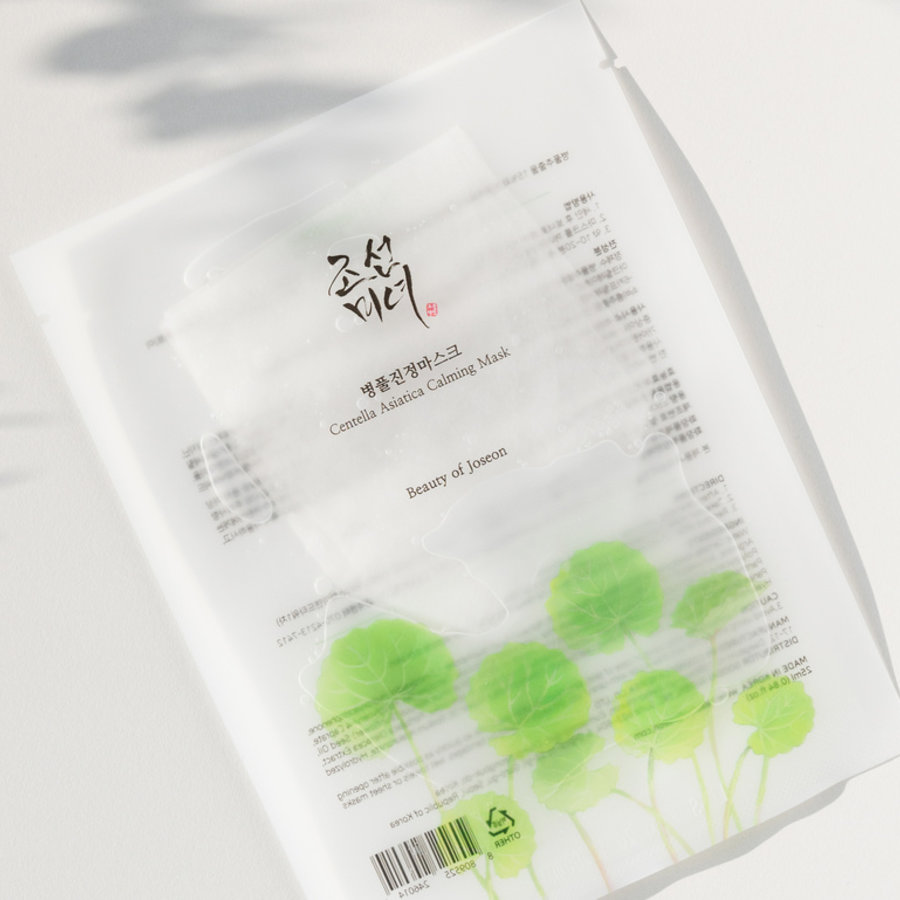
Login
Log in if you have an account
Register
Having an account with us will allow you to check out faster in the future, store multiple addresses, view and track your orders in your account, and more.
Create an account

Login
Log in if you have an account
Register
Having an account with us will allow you to check out faster in the future, store multiple addresses, view and track your orders in your account, and more.
Create an account

Login
Log in if you have an account
Register
Having an account with us will allow you to check out faster in the future, store multiple addresses, view and track your orders in your account, and more.
Create an account


Login
Log in if you have an account
Register
Having an account with us will allow you to check out faster in the future, store multiple addresses, view and track your orders in your account, and more.
Create an account
Login
Log in if you have an account
Register
Having an account with us will allow you to check out faster in the future, store multiple addresses, view and track your orders in your account, and more.
Create an account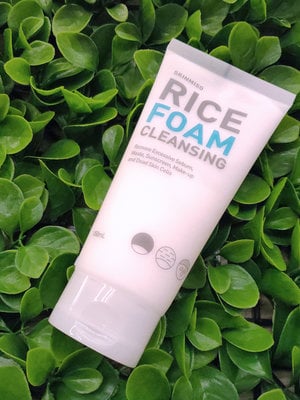

Login
Log in if you have an account
Register
Having an account with us will allow you to check out faster in the future, store multiple addresses, view and track your orders in your account, and more.
Create an account

Login
Log in if you have an account
Register
Having an account with us will allow you to check out faster in the future, store multiple addresses, view and track your orders in your account, and more.
Create an account

Login
Log in if you have an account
Register
Having an account with us will allow you to check out faster in the future, store multiple addresses, view and track your orders in your account, and more.
Create an account


Login
Log in if you have an account
Register
Having an account with us will allow you to check out faster in the future, store multiple addresses, view and track your orders in your account, and more.
Create an account

Login
Log in if you have an account
Register
Having an account with us will allow you to check out faster in the future, store multiple addresses, view and track your orders in your account, and more.
Create an account
Login
Log in if you have an account
Register
Having an account with us will allow you to check out faster in the future, store multiple addresses, view and track your orders in your account, and more.
Create an account
Login
Log in if you have an account
Register
Having an account with us will allow you to check out faster in the future, store multiple addresses, view and track your orders in your account, and more.
Create an account
Login
Log in if you have an account
Register
Having an account with us will allow you to check out faster in the future, store multiple addresses, view and track your orders in your account, and more.
Create an account