







 Teenager
 Student
 Career (searching)
 Party!
 On the plane
 Travel friendly
 Day trip
 Postcards
 Beauty gifts
 <3 Gift Card
 7-Skin Method
 1 Day 1 Mask
 Best of K-beauty
 Face Gym
 Glass skin
 Haru Haru Exclusives
 Fashion & Lifestyle

 1. Cleansing
 2. Toner
 3. Eye cream
 4. Treatment / Boost
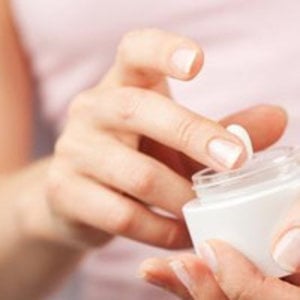 5. Moisturizer
 6. Sun protection
 6. Night treatments
 Skin type - Normal
 Skin type - Dry
 Skin type - Oily
 Skin type - Combi
 Skin type - Sensitive
 Skin concern - Dehydrated
 Skin concern - Pigmentation
 Skin concern - Acne
 Skin concern - Wrinkles
 How much should I use?
 Applications and handlings
 Sequence and waiting times
 Mask guideline
 Recycle & upcycle
 Natural vs. synthetic
 Clean vs. dirty beauty
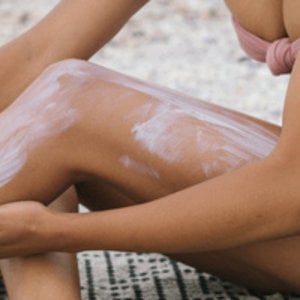 Mineral vs. chemical UV filter
 Open and closed pores
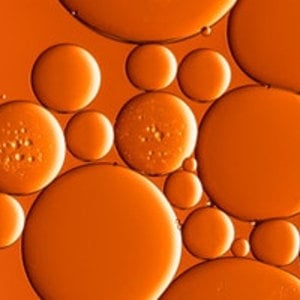 Oils are bad for oily skin types
 No makeup, no double cleansing
 No sun, no sunscreen
 Scary acids
 Oily skin, no moisturizer
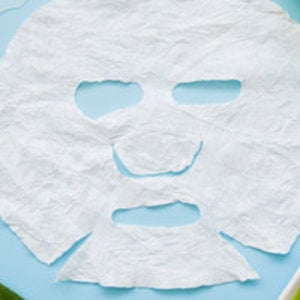 Sheet Masking Tips
 7 Skin Method
 Pigmentations & dullness
 Wrinkles & lines
 Acne & pimples
 Enlarged pores
 Oil control
 ⤷ Sebum production
 Ingredients
 Glossary
 FAQ: kbeauty
 Workshops
 Skintype quiz
 Routine quiz
 Acne quiz












-
All products are added to your cart.
What is acne?
Acne is a common skin condition that occurs when hair follicles become clogged with sebum (oil) and dead skin cells. This can lead to whiteheads, blackheads, and pimples. Although acne is most commonly associated with teenagers, it can affect people of all ages.
A pimple forms as soon as a pore gets clogged and bacteria multiply within it, causing inflammation beneath the skin's surface. This leads to swelling and often pus. While countless effective treatments are available, acne can sometimes be quite stubborn.
What causes acne?
In addition to heredity and hormonal fluctuations—which in turn can be influenced by age, stress, or your diet—external factors also play a major role in triggering or worsening acne:
- 1. Buildup of oil and dirt: sebum, skincare products, makeup, and particulate matter accumulate in the pores daily. If the skin is not cleansed thoroughly, this residue is left behind, causing blockages.
- 2. Damaged skin barrier: a weakened skin barrier cannot provide sufficient protection against harmful bacteria, allowing pimples to pop up faster.
- 3. Spread of bacteria: good hygiene is essential to prevent breakouts and keep the skin calm.
- 4. Fungal acne: the yeast behind this condition (Malassezia) feeds on sebum. With excessive sebum production—caused by heat, sweat (e.g., from sportswear), or the use of heavy, oil-based cosmetics—this yeast multiplies rapidly. Oral or topical antibiotics can also contribute because these agents kill not only bad bacteria but also good ones that normally keep the yeast in check. (<<View the specific approach below>>)
How can you reduce acne?
Because acne has various causes, a targeted approach works best. This step-by-step guide helps you get started:
- Reduce and stop the spread of bacteria.
- Identify the underlying cause and tackle it directly.
- Provide proper aftercare to heal the skin and prevent pigmentation spots.
Approach for non-inflamed pores (whiteheads, blackheads)
- Cleanse the skin thoroughly: wash your face carefully in the morning and (especially) in the evening.
- Never sleep with makeup on: completely remove all your makeup and sunscreen before going to bed.
- Use a double cleanse: start your evening cleanse preferably with a gentle oil-based cleanser. This effectively dissolves excess sebum, makeup, SPF, and dirt.
- Exfoliate with purpose: incorporate chemical exfoliants into your routine. Choose AHA to renew the dull upper layer of skin and BHA to deeply dissolve excess sebum inside the pores.
Approach for inflamed pores (red, irritated & hormonal pimples)
- Use a clean towel (or skip it entirely): towels are often a breeding ground for bacteria. Gently pat your face dry with a clean towel after each wash, or let it air dry. Clean hands are often enough to wipe away excess water.
- Watch out for everyday bacteria sources: think of your smartphone, pillowcases, unwashed fingers, and dirty makeup brushes. Be mindful of what touches your skin.
- Choose antibacterial ingredients: enrich your routine with active ingredients that purify the skin, such as BHA (salicylic acid), propolis, tea tree, and Centella Asiatica.
- Be careful with oils: for stubborn blemishes, it's wise to avoid heavy oils in your serums and moisturizers, as bacteria and yeasts thrive on them.
- What to avoid with fungal acne: completely avoid natural oils and fats such as coconut, argan, rosehip, olive oil, and shea butter. Safe alternatives are squalane and Caprylic/Capric Triglycerides. Also leave out fermented ingredients (such as Galactomyces and Bifida ferment lysates), as they feed the yeast. Additionally, make sure to change out of wet sportswear immediately.
- Consult an expert: do your symptoms persist? Don't hesitate to seek advice from a skin therapist or general practitioner.
Ingredients we ♥
AHA, BHA, Antioxidants, Vitamin C, Vitamin E, Niacinamide, Propolis, Tea Tree, Centella Asiatica, Licorice, Azelaic Acid
Skin improvement takes patience! It is important to maintain a new skincare routine consistently for at least 1 month; after all, your skin needs an average of 28 days to renew its cells. Do you already notice a subtle difference after a month? Then be sure to keep going for another 2 to 3 months for the absolute best result.
Acne treatment
37 products found
Login
Log in if you have an account
Register
Having an account with us will allow you to check out faster in the future, store multiple addresses, view and track your orders in your account, and more.
Create an account
Add to cart
Brand: K-Secret
...
More info
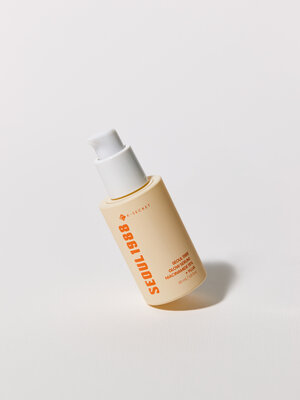
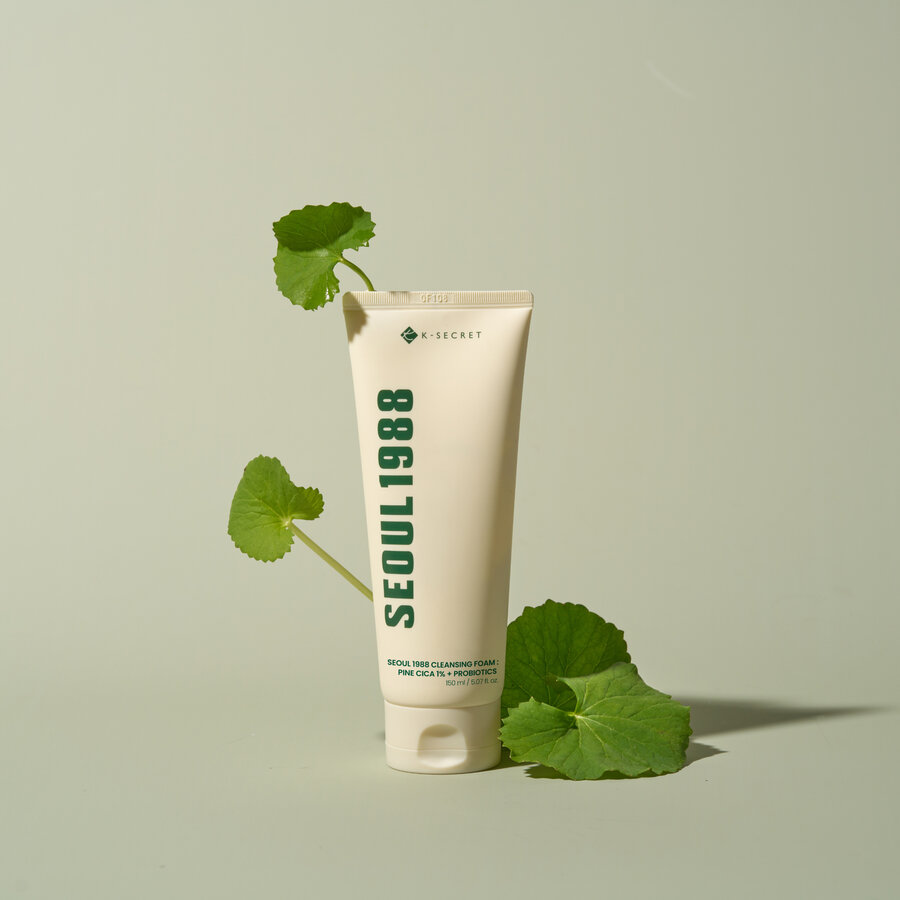
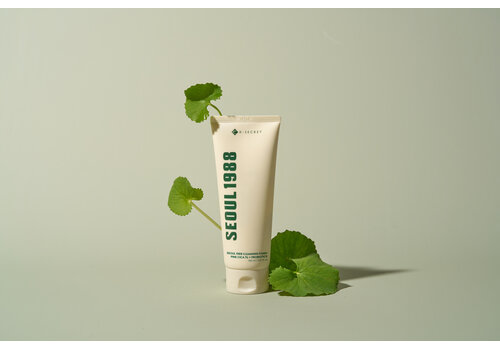
Seoul 1988 Cleansing Foam : Pine Cica 1% + Probiotics
€15,00
Login
Log in if you have an account
Register
Having an account with us will allow you to check out faster in the future, store multiple addresses, view and track your orders in your account, and more.
Create an account
Login
Log in if you have an account
Register
Having an account with us will allow you to check out faster in the future, store multiple addresses, view and track your orders in your account, and more.
Create an account
Login
Log in if you have an account
Register
Having an account with us will allow you to check out faster in the future, store multiple addresses, view and track your orders in your account, and more.
Create an account
Login
Log in if you have an account
Register
Having an account with us will allow you to check out faster in the future, store multiple addresses, view and track your orders in your account, and more.
Create an account
Login
Log in if you have an account
Register
Having an account with us will allow you to check out faster in the future, store multiple addresses, view and track your orders in your account, and more.
Create an account
Login
Log in if you have an account
Register
Having an account with us will allow you to check out faster in the future, store multiple addresses, view and track your orders in your account, and more.
Create an account
Add to cart
Brand: Beauty of Joseon
...
More info
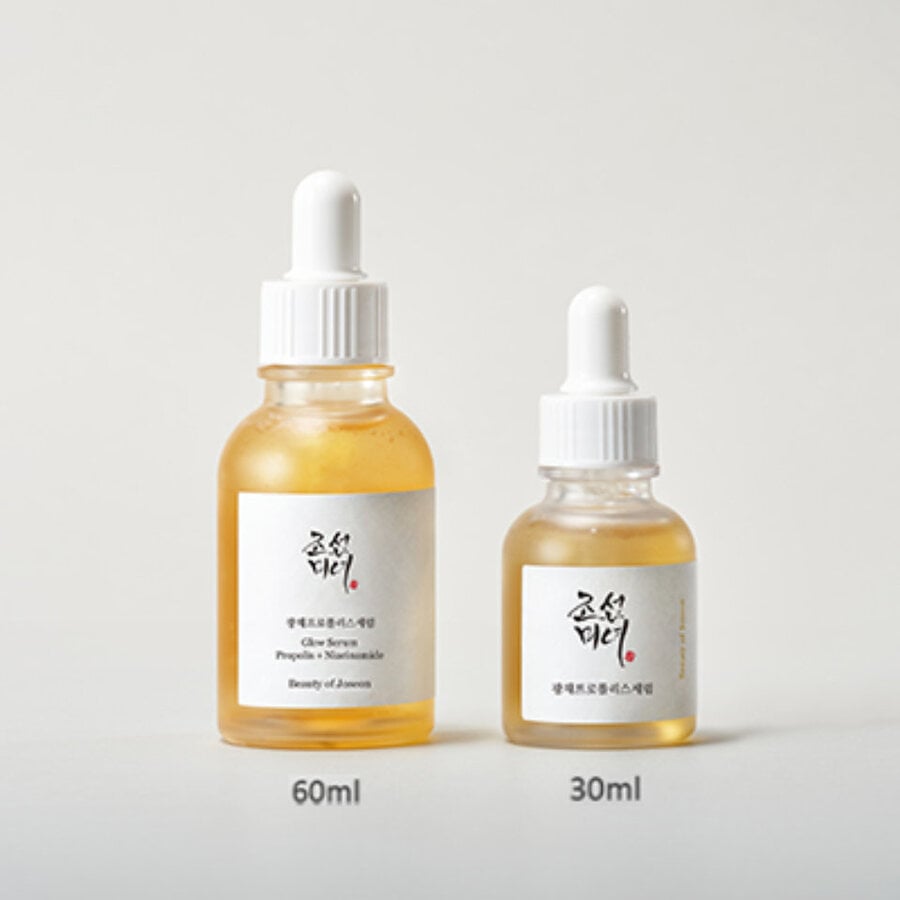
Glow Serum : Propolis + Niacinamide Jumbo - 60ml
€30,00
Login
Log in if you have an account
Register
Having an account with us will allow you to check out faster in the future, store multiple addresses, view and track your orders in your account, and more.
Create an account
Login
Log in if you have an account
Register
Having an account with us will allow you to check out faster in the future, store multiple addresses, view and track your orders in your account, and more.
Create an account

Login
Log in if you have an account
Register
Having an account with us will allow you to check out faster in the future, store multiple addresses, view and track your orders in your account, and more.
Create an account
Login
Log in if you have an account
Register
Having an account with us will allow you to check out faster in the future, store multiple addresses, view and track your orders in your account, and more.
Create an account
Login
Log in if you have an account
Register
Having an account with us will allow you to check out faster in the future, store multiple addresses, view and track your orders in your account, and more.
Create an account
Login
Log in if you have an account
Register
Having an account with us will allow you to check out faster in the future, store multiple addresses, view and track your orders in your account, and more.
Create an account
Login
Log in if you have an account
Register
Having an account with us will allow you to check out faster in the future, store multiple addresses, view and track your orders in your account, and more.
Create an account
Add to cart
Brand: Beauty of Joseon
...
More info
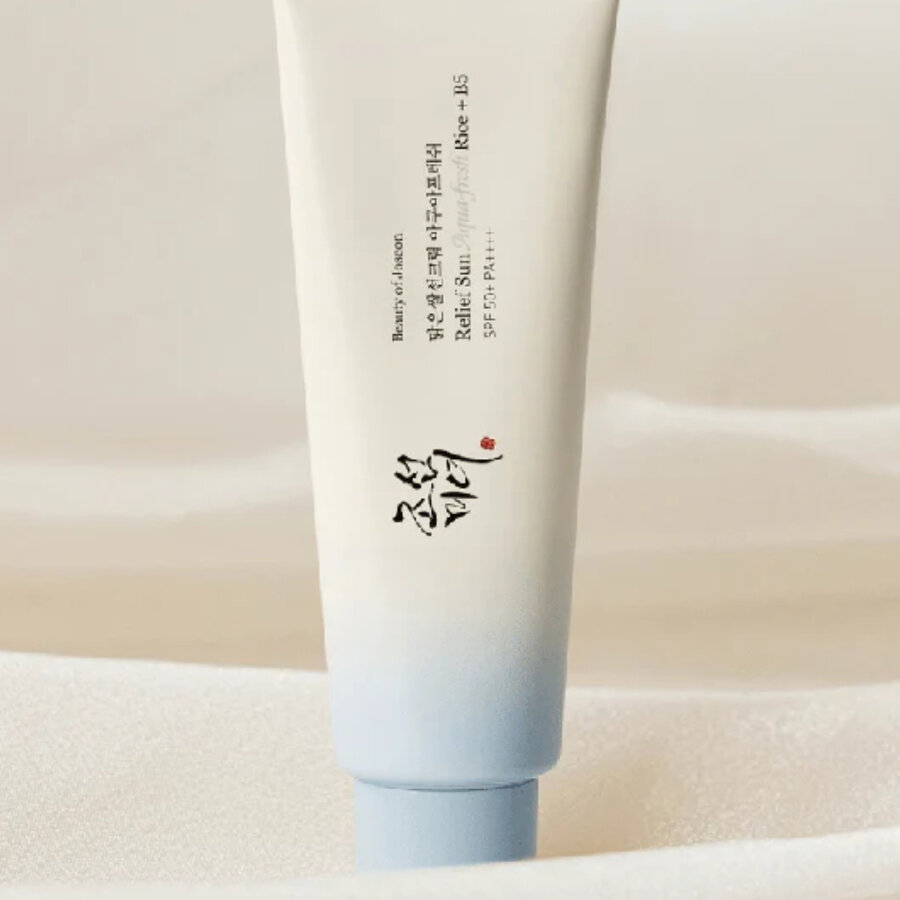
Relief Sun Aqua-Fresh : Rice + B5 (SPF 50+ PA ++++)
€21,00
Login
Log in if you have an account
Register
Having an account with us will allow you to check out faster in the future, store multiple addresses, view and track your orders in your account, and more.
Create an account
Login
Log in if you have an account
Register
Having an account with us will allow you to check out faster in the future, store multiple addresses, view and track your orders in your account, and more.
Create an account

Login
Log in if you have an account
Register
Having an account with us will allow you to check out faster in the future, store multiple addresses, view and track your orders in your account, and more.
Create an account


Login
Log in if you have an account
Register
Having an account with us will allow you to check out faster in the future, store multiple addresses, view and track your orders in your account, and more.
Create an account

Login
Log in if you have an account
Register
Having an account with us will allow you to check out faster in the future, store multiple addresses, view and track your orders in your account, and more.
Create an account

Login
Log in if you have an account
Register
Having an account with us will allow you to check out faster in the future, store multiple addresses, view and track your orders in your account, and more.
Create an account


Add to cart
Brand: Thank You Farmer
...
More info
Sun Project Skin Relief Sun Cream SPF50+ PA++++
€28,00
Login
Log in if you have an account
Register
Having an account with us will allow you to check out faster in the future, store multiple addresses, view and track your orders in your account, and more.
Create an account

Login
Log in if you have an account
Register
Having an account with us will allow you to check out faster in the future, store multiple addresses, view and track your orders in your account, and more.
Create an account
Add to cart
Brand: Thank You Farmer
...
More info
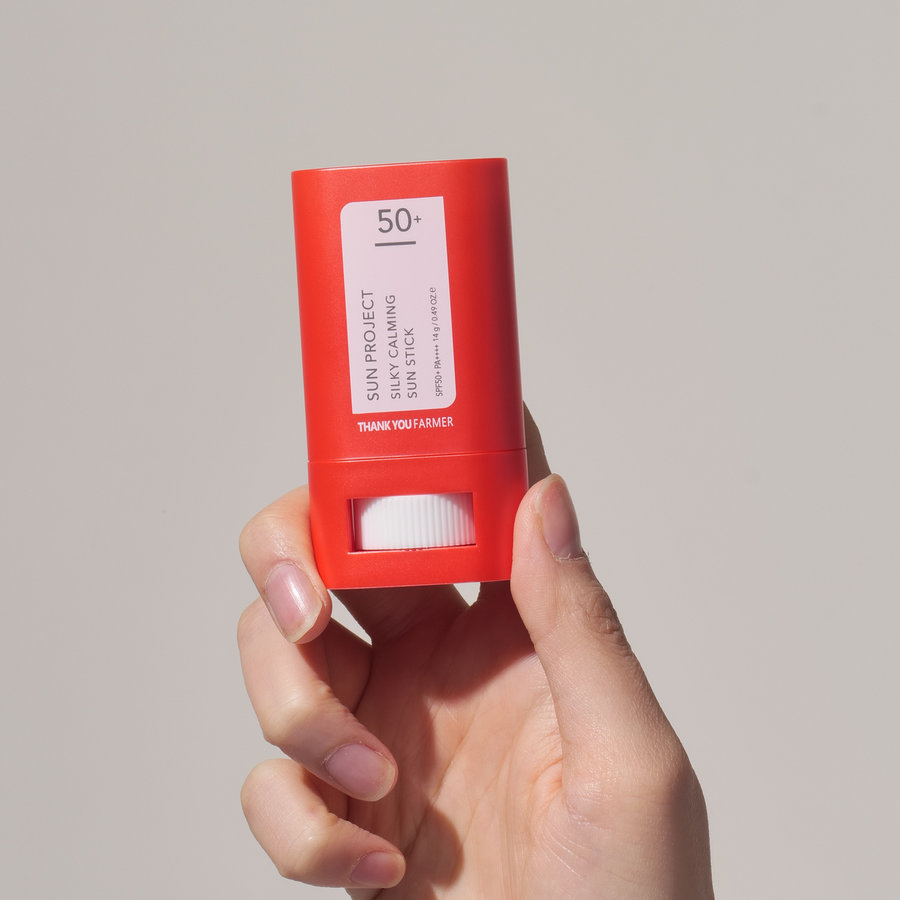
Sun Project Silky Calming Sun Stick SPF50+, PA++++
€24,00
Login
Log in if you have an account
Register
Having an account with us will allow you to check out faster in the future, store multiple addresses, view and track your orders in your account, and more.
Create an account
Login
Log in if you have an account
Register
Having an account with us will allow you to check out faster in the future, store multiple addresses, view and track your orders in your account, and more.
Create an account