












 Teenager
 Student
 Career (searching)
 Party!

 On the plane
 Travel friendly
 Day trip

 Postcards
 Beauty gifts
 <3 Gift Card

 7-Skin Method
 1 Day 1 Mask
 Best of K-beauty
 Face Gym
 Glass skin

 Haru Haru Exclusives
 Fashion & Lifestyle


 1. Cleansing
 2. Toner
 3. Eye cream
 4. Treatment / Boost
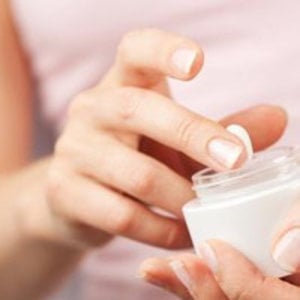 5. Moisturizer
 6. Sun protection
 6. Night treatments

 Skin type - Normal
 Skin type - Dry
 Skin type - Oily
 Skin type - Combi
 Skin type - Sensitive
 Skin concern - Dehydrated
 Skin concern - Pigmentation
 Skin concern - Acne
 Skin concern - Wrinkles

 How much should I use?
 Applications and handlings
 Sequence and waiting times
 Mask guideline
 Recycle & upcycle

 Natural vs. synthetic
 Clean vs. dirty beauty
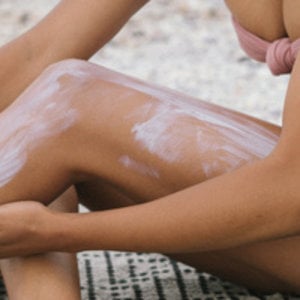 Mineral vs. chemical UV filter
 Open and closed pores
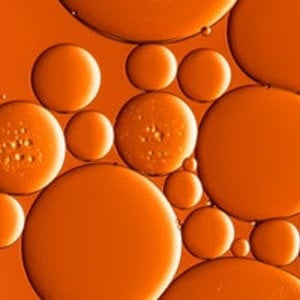 Oils are bad for oily skin types
 No makeup, no double cleansing
 No sun, no sunscreen
 Scary acids
 Oily skin, no moisturizer

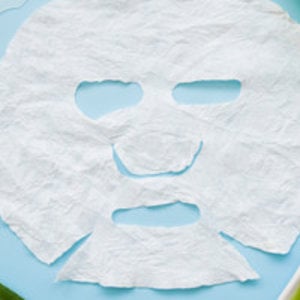 Sheet Masking Tips
 7 Skin Method

 Pigmentations & dullness
 Wrinkles & lines
 Acne & pimples
 Enlarged pores
 Oil control
 ⤷ Sebum production

 Ingredients
 Glossary
 FAQ: kbeauty
 Workshops

 Skintype quiz
 Routine quiz
 Acne quiz


















Which ingredient works best against dark spots?
But what is the exact difference between them? And which ingredient is the best match for your skin?
First: what kind of spots do you have? Not all post-acne spots are the same. There is an important difference between PIE and PIH:
-
PIE (Post-Inflammatory Erythema): red, pink, or purple marks left behind after inflamed breakouts. These are caused by changes in tiny blood vessels and persistent vasodilation.
-
PIH (Post-Inflammatory Hyperpigmentation): brown or dark spots caused by an overproduction of melanin after inflammation.
This distinction is crucial when choosing the right skincare ingredients. Ingredients that inhibit pigment production do not automatically work just as effectively against redness.
1. Azelaic Acid – for acne, redness, and dark spots Azelaic Acid is a versatile ingredient known for its anti-inflammatory, antibacterial, and pigment-regulating properties. What makes this ingredient special is that it can tackle multiple skin concerns at the same time. It is beneficial not only for acne, but also for both PIE and PIH.
How does it work? Azelaic Acid inhibits the enzyme tyrosinase, which is involved in melanin production. This helps gradually fade dark pigment spots (PIH). Additionally, it has anti-inflammatory properties, making it beneficial for red marks (PIE) by helping to reduce inflammation and redness.
Key benefits:
-
Helps reduce acne and blemishes.
-
Can help reduce red marks (PIE) and inflammation.
-
Helps fade dark spots (PIH).
-
Inhibits excessive pigment production.
-
Can help with rosacea-related redness.
Ideal for: acne-prone skin with redness, inflammation, and red marks after breakouts.
2. Tranexamic Acid – for stubborn pigmentation Tranexamic Acid (TXA) is best known for its effectiveness against hyperpigmentation and melasma. It influences pathways involved in pigment formation.
Key benefits:
-
Helps reduce dark pigment spots.
-
Beneficial for melasma.
-
Can help with post-inflammatory hyperpigmentation (PIH).
-
Contributes to a more even skin tone.
Ideal for: stubborn dark spots, melasma, and brown spots after acne.
3. Vitamin C – for glow and protection Vitamin C is a powerful antioxidant that helps protect the skin against free radicals. It also promotes a more even and radiant complexion.
-
Inhibits pigment production.
-
Helps fade dark spots.
-
Supports collagen production.
-
Protects against oxidative stress.
Ideal for: dull skin, early-stage dark spots, and sun damage.
4. Glutathione – for a more even complexion Glutathione is an antioxidant naturally found in the body. In skincare, it is used for its antioxidant and potential pigment-regulating properties.
-
Can reduce melanin-forming processes.
-
Used in products targeted at an even skin tone.
-
Can contribute to a more radiant appearance.
Ideal for: anyone looking for extra antioxidant care and wanting to improve their skin tone.
5. Alpha Arbutin – targeted at dark spots Alpha Arbutin is a popular ingredient for hyperpigmentation. It works by inhibiting tyrosinase, thereby reducing melanin production.
-
Helps fade dark pigment spots.
-
Can reduce post-acne pigmentation.
-
Promotes a more even skin tone.
-
Also suitable for sensitive skin.
Ideal for: dark spots, post-acne pigmentation, and an uneven skin tone.
Can you combine these ingredients? Yes! Several ingredients can complement each other because they work in different ways.
A possible routine:
Morning:
-
Gentle cleanser
-
Vitamin C or Alpha Arbutin
-
Moisturizer
-
SPF 50
Evening:
-
Cleanser
-
Azelaic Acid or Tranexamic Acid
-
Moisturizer
Glutathione can also be part of your routine, for instance in a serum combined with other antioxidants.
Important! Introduce active ingredients one by one to prevent irritation.
Which ingredient should you choose?
-
Red marks after breakouts (PIE)? Choose Azelaic Acid as part of your routine. Calming ingredients like Centella Asiatica and Niacinamide can also help.
-
Brown spots after breakouts (PIH)? Choose Azelaic Acid, Tranexamic Acid, or Alpha Arbutin.
-
Melasma or stubborn pigmentation? Choose Tranexamic Acid.
-
Dull skin and sun damage? Choose Vitamin C.
-
Extra antioxidant care? Choose Glutathione.
Conclusion All five ingredients can play a role in improving an uneven skin tone. Even so, it is important to know what type of spots you have. Azelaic Acid is uniquely versatile because it helps with acne, redness, and dark pigment spots alike. Tranexamic Acid and Alpha Arbutin are primarily targeted at pigmentation, while Vitamin C and Glutathione are known for their antioxidant properties.
Our main tip: don't just look at the color of your spots, but also look at the cause. With the right ingredients, a consistent skincare routine, and daily SPF 50, you give your skin the best chance at a clearer, more even glow.
