








 Teenager
 Student
 Career (searching)
 Party!
 On the plane
 Travel friendly
 Day trip
 Postcards
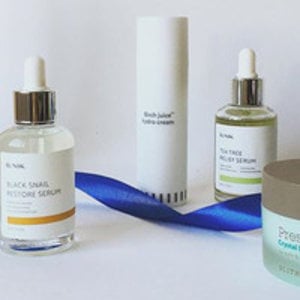 Beauty gifts
 <3 Gift Card
 7-Skin Method
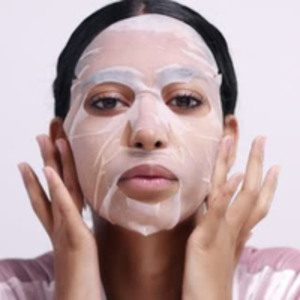 1 Day 1 Mask
 Best of K-beauty
 Face Gym
 Glass skin
 Haru Haru Exclusives
 Fashion & Lifestyle

 1. Cleansing
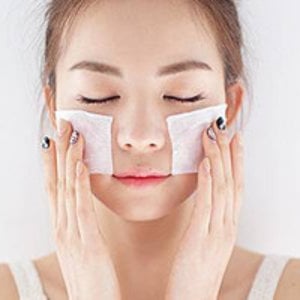 2. Toner
 3. Eye cream
 4. Treatment / Boost
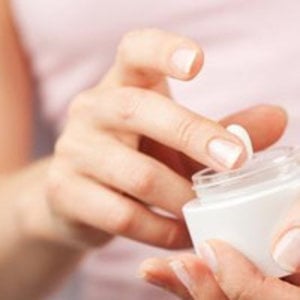 5. Moisturizer
 6. Sun protection
 6. Night treatments
 Skin type - Normal
 Skin type - Dry
 Skin type - Oily
 Skin type - Combi
 Skin type - Sensitive
 Skin concern - Dehydrated
 Skin concern - Pigmentation
 Skin concern - Acne
 Skin concern - Wrinkles
 How much should I use?
 Applications and handlings
 Sequence and waiting times
 Mask guideline
 Recycle & upcycle
 Natural vs. synthetic
 Clean vs. dirty beauty
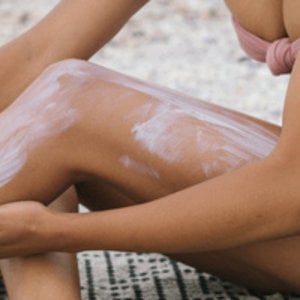 Mineral vs. chemical UV filter
 Open and closed pores
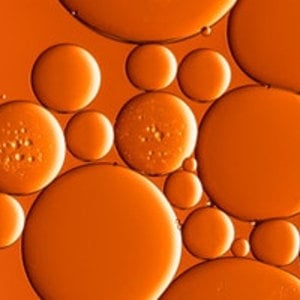 Oils are bad for oily skin types
 No makeup, no double cleansing
 No sun, no sunscreen
 Scary acids
 Oily skin, no moisturizer
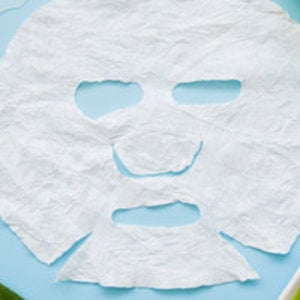 Sheet Masking Tips
 7 Skin Method
 Pigmentations & dullness
 Wrinkles & lines
 Acne & pimples
 Enlarged pores
 Oil control
 ⤷ Sebum production
 Ingredients
 Glossary
 FAQ: kbeauty
 Workshops
 Skintype quiz
 Routine quiz
 Acne quiz


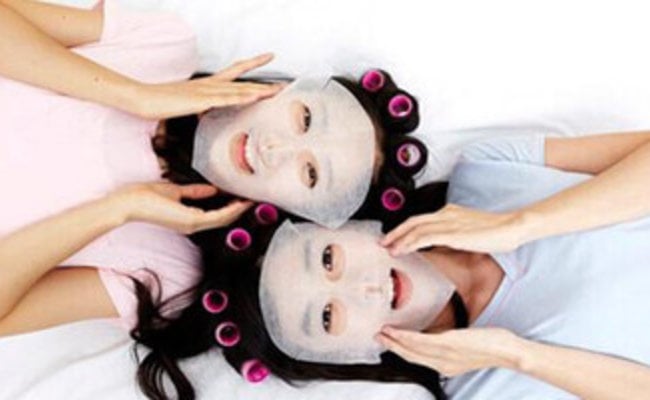
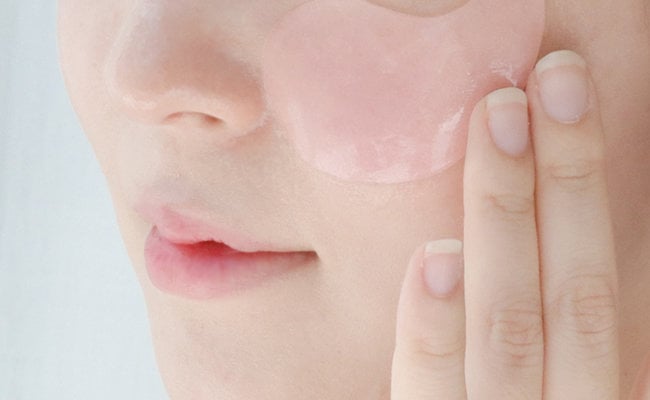
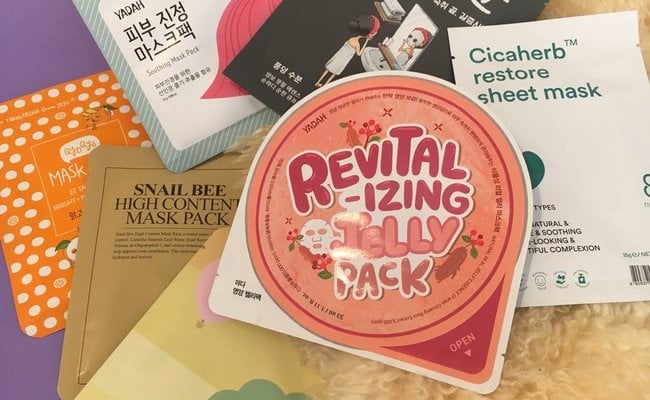











...
- 1 day 1 mask
- A popular K-beauty trend where a sheet mask is applied daily for maximum hydration.
- 7-skin method
- A method where an essence toner or lightweight essence is applied in up to seven consecutive layers after cleansing to deeply hydrate the skin.
A
- Acid / Acidic
- Healthy skin is naturally slightly acidic (pH ~5.5). Common acids used in skincare include:
- Ascorbic Acid: Synthetic form of vitamin C, a powerful antioxidant.
- Azelaic Acid: Mild acid that helps reduce redness and congestion.
- Citric Acid: An AHA derived from citrus fruits, aids in cell renewal.
- Ferulic Acid: Antioxidant that stabilizes and enhances other vitamins.
- Glycolic Acid: AHA with the smallest molecular size; penetrates deeply to exfoliate.
- Hyaluronic Acid: Powerful humectant that attracts and retains moisture.
- Lactic Acid: Gentle AHA that both exfoliates and hydrates.
- Mandelic Acid: Mild AHA suitable for sensitive skin, brightens the complexion.
- Oleic Acid: Fatty acid that intensely nourishes dry skin.
- Salicylic Acid: BHA that penetrates deep into pores to dissolve excess sebum.
- Acne
- A skin condition that occurs when hair follicles become clogged with sebum and dead skin cells. This can lead to blackheads, pustules, or inflammation on the face, chest, and back.
- Adenosine
- An ingredient (often yeast-derived) with skin-repairing and anti-inflammatory properties. It helps smooth skin texture and reduces fine lines.
- AHA (Alpha Hydroxy Acid)
- Water-soluble acids (such as glycolic acid and lactic acid) that loosen the top layer of dead skin cells, revealing smoother, softer, and more radiant skin.
- Alcohol
- In cosmetics, we distinguish three main categories:
- Simple alcohols: (e.g., Alcohol Denat., Ethanol) Fast-drying and antiseptic, but can be drying in high concentrations.
- Fatty alcohols: (e.g., Cetearyl, Cetyl, and Stearyl Alcohol) Gentle, nourishing substances that soften the skin and give products texture.
- Aromatic alcohols: (e.g., Benzyl Alcohol) Used as fragrance components or preservatives.
- Allantoin
- A soothing and cell-regenerating ingredient that aids in the recovery of damaged or irritated skin and softens scar tissue.
- Alkaline
- A substance with a pH value higher than 7.0 (basic). Products with a high alkaline value can disrupt the skin's natural acidic protective barrier and dry it out.
- Aloe Vera (Aloe Barbadensis)
- Plant extract rich in vitamins and minerals. Has strong hydrating, cooling, and anti-inflammatory properties for sunburn or irritation.
- Amino Acids
- The building blocks of proteins like collagen and elastin. They help maintain moisture balance, strengthen the skin barrier, and protect against signs of aging.
- Antioxidants
- Substances that neutralize free radicals, helping to prevent premature skin aging and tissue damage caused by UV radiation or pollution.
B
- Beta-Glucan
- A sugar molecule (often derived from oats or yeast) that deeply hydrates the skin, reduces redness, and strengthens the skin barrier.
- Betaine
- A gentle humectant derived from sugar beets. It helps regulate moisture balance and calms irritation.
- Betula Platyphylla (Birch Sap)
- Rich in amino acids and minerals. Used in skincare as a refreshing and hydrating alternative to water.
- BHA (Beta Hydroxy Acid)
- Oil-soluble acid (most notably salicylic acid) that penetrates deep into pores, dissolves excess sebum, and has anti-inflammatory properties. Ideal for acne-prone or oily skin.
- Blackheads
- Open blockages of sebum and dead skin cells in the pore. The dark color forms due to the oxidation of sebum upon contact with oxygen.
- Butylene Glycol
- A commonly used ingredient that attracts moisture, helps dissolve ingredients, and improves product texture.
C
- Ceramides
- Lipids (fats) that naturally form part of the skin barrier. They hold cells together, prevent moisture loss, and protect against external stressors.
- Centella Asiatica (Gotu Kola / Cica)
- A healing herb rich in antioxidants and amino acids. Renowned for its powerful soothing and wound-healing properties. Also known as 'Tiger Grass'.
- Collagen
- A key structural protein in the skin responsible for firmness and elasticity. Natural production decreases as we age.
- Chemical Peeling
- The removal of the top layer of dead skin cells using active ingredients such as acids (AHAs, BHAs) or enzymes.
D
- Disodium EDTA
- An ingredient that prevents metal ions in water from compromising the quality, scent, or clarity of a cosmetic product.
- Double Cleansing
- A popular Korean cleansing method involving an oil-based cleanser first (to break down SPF and makeup), followed by a water-based cleanser (to remove sweat and impurities).
E
- Eczema
- A chronic skin condition accompanied by redness, itching, dryness, and flaking due to a compromised skin barrier.
- Emollients
- Ingredients (such as oils and fats) that fill in the spaces between skin cells, leaving the skin feeling soft, smooth, and well-protected.
- Epidermis
- The outermost, visible layer of the skin that provides protection against environmental factors.
- EWG (Environmental Working Group)
- An American organization that evaluates the safety of cosmetic ingredients through a transparent rating scale.
- Exfoliation
- The process of removing dead skin cells. This can be done mechanically (with a scrub) or chemically (with acids like AHAs/BHAs).
F
- Fermentation / Ferments
- A process in which microorganisms break down complex substances into smaller molecules, allowing ingredients to be absorbed faster and deeper by the skin.
- Fungal Acne (Malassezia Folliculitis)
- An infection of the hair follicles caused by an overgrowth of yeast (Malassezia). Presents as small, itchy bumps.
G
- Galactomyces
- A yeast filtrate rich in amino acids and antioxidants. Helps brighten the skin tone, provide hydration, and refine pores.
- Ginseng (Panax Ginseng)
- A traditional Korean botanical root rich in antioxidants. Stimulates microcirculation and supports collagen production.
- Glass Skin
- A K-beauty term for an intensely hydrated, smooth, and even skin tone that shines like glass.
- Glycolic Acid
- The smallest molecule among AHAs. Effectively penetrates to loosen superficial dead skin cells and renew skin texture.
H
- Humectant
- Ingredients (such as glycerin or hyaluronic acid) that attract moisture from the environment or deeper skin layers and bind it to the skin.
- Hyaluronic Acid
- A substance naturally found in the body that can hold up to 1,000 times its weight in water. Essential for plump, hydrated skin.
- Hyperpigmentation
- Dark spots on the skin caused by an overproduction of melanin. Often triggered by sun damage, hormonal fluctuations, or post-inflammatory healing (acne scars).
- Hypoallergenic
- A term indicating that a product is formulated to minimize the risk of allergic reactions.
J
- Jade Roller
- A gemstone massage tool that helps stimulate lymphatic drainage and blood circulation in the face.
K
- K-Beauty
- An umbrella term for Korean skincare products, philosophies, and innovative cosmetic trends.
L
- Limonene & Linalool
- Naturally occurring aromatic compounds found in plant and citrus extracts. May occasionally cause irritation in highly sensitive skin.
M
- Melanin
- The pigment responsible for the color of our skin, eyes, and hair, providing natural protection against UV radiation.
- Milia
- Small, hard white bumps under the skin that form when keratin becomes trapped beneath the epidermis.
- MultiEX BSASM™
- A patented complex of 7 botanical extracts that works as an anti-inflammatory for skin conditions such as eczema and acne.
N
- Niacinamide (Vitamin B3)
- A versatile active ingredient that refines pore appearance, fades hyperpigmentation, strengthens the skin barrier, and calms redness.
P
- PAO (Period After Opening)
- An open-jar symbol on packaging indicating how many months (e.g., 6M, 12M) a product remains safe and effective to use after opening.
- pH Level
- A scale from 0 to 14 measuring acidity or alkalinity. Healthy skin maintains a slightly acidic microclimate (pH 4.5 – 5.5).
- PHA (Polyhydroxy Acid)
- A gentle variant of AHA with a larger molecular structure. Exfoliates purely on the surface without causing irritation.
R
- Retinol (Vitamin A)
- A powerful ingredient that speeds up cellular turnover and boosts collagen production. Used to target wrinkles, acne, and hyperpigmentation.
- Retinoid
- The umbrella class of vitamin A derivatives, encompassing both cosmetic formulations and stronger prescription-grade treatments.
S
- Salicylic Acid
- See BHA. Exfoliates inside the pores and is ideal for oily or acne-prone skin.
- Snail Mucin
- Rich in allantoin, glycolic acid, and glycoproteins. Repairs damaged skin, softens scars, and provides deep hydration.
- SPF (Sun Protection Factor)
- Indicates how effectively a sunscreen shields the skin specifically against sunburn caused by UVB rays.
- Spicules
- Microscopic needle-like structures derived from marine sponges. They create invisible micro-channels in the skin to maximize the absorption of active ingredients (liquid microneedling).
- Squalane
- A stable, plant-derived oil that closely mimics the skin's natural sebum. Absorbs quickly without clogging pores and balances oil production.
T
- Sebum
- Natural oily substance produced by the sebaceous glands to protect and lubricate the skin and hair.
- Trehalose
- A plant-based sugar with excellent moisture-binding properties that protects skin cells against dehydration.
U
- UV Radiation
- Ultraviolet radiation emitted by the sun.
- UVA: Penetrates deep into the skin and causes premature skin Aging.
- UVB: Reaches the epidermis and causes sunburn (Burning).
V
- Free Radicals
- Unstable molecules that can damage healthy skin cells. Caused by factors such as UV rays, stress, and pollution, but neutralized by antioxidants.
Y
- Yeast
- An ingredient produced through fermentation, used to nourish and repair the skin.
Z
- Zinc
- A mineral with anti-inflammatory and antibacterial properties. Zinc Oxide is also widely used as a safe mineral UV filter.