








 Teenager
 Student
 Career (searching)
 Party!
 On the plane
 Travel friendly
 Day trip
 Postcards
 Beauty gifts
 <3 Gift Card
 7-Skin Method
 1 Day 1 Mask
 Best of K-beauty
 Face Gym
 Glass skin
 Haru Haru Exclusives
 Fashion & Lifestyle

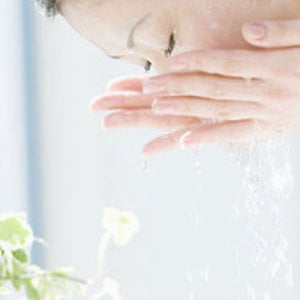 1. Cleansing
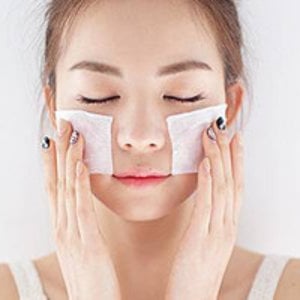 2. Toner
 3. Eye cream
 4. Treatment / Boost
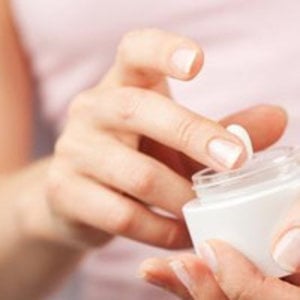 5. Moisturizer
 6. Sun protection
 6. Night treatments
 Skin type - Normal
 Skin type - Dry
 Skin type - Oily
 Skin type - Combi
 Skin type - Sensitive
 Skin concern - Dehydrated
 Skin concern - Pigmentation
 Skin concern - Acne
 Skin concern - Wrinkles
 How much should I use?
 Applications and handlings
 Sequence and waiting times
 Mask guideline
 Recycle & upcycle
 Natural vs. synthetic
 Clean vs. dirty beauty
 Mineral vs. chemical UV filter
 Open and closed pores
 Oils are bad for oily skin types
 No makeup, no double cleansing
 No sun, no sunscreen
 Scary acids
 Oily skin, no moisturizer
 Sheet Masking Tips
 7 Skin Method
 Pigmentations & dullness
 Wrinkles & lines
 Acne & pimples
 Enlarged pores
 Oil control
 ⤷ Sebum production
 Ingredients
 Glossary
 FAQ: kbeauty
 Workshops
 Skintype quiz
 Routine quiz
 Acne quiz













-
All products are added to your cart.
Scary acids
Acids in skincare: Polyhydroxy acids (PHA), alpha hydroxy acids (AHA), beta hydroxy acids / salicylic acid (BHA), glycolic acid, and lactic acid are common acids found in skincare products. Vitamin C (ascorbic acid) and retinoid products are also referred to in this article.
Myth: "My skin will look brand new when using an acid," and "You cannot combine acids with each other."
Fact: Your skin condition, personal routine, concentration, formula, and raw material quality all have a huge impact on the effect of a product.
It can happen that the skin becomes more sensitive when you add 'acids' to your routine, which can feel quite intimidating if you don't understand the difference. However, not all acids are created equal, and there is no reason to be terrified and avoid all types of 'acids'.
Generally speaking, the acids that are often called "scary" are used to even out skin tone and texture, thanks to their ability to soften dead skin cells. This can make our skin more sensitive, especially to the sun, making it extremely important to properly protect the skin against UV rays and not dive headfirst into your acid journey by mixing everything together.
Tip: Try it out cautiously, start with 1 or 2 ingredients, alternate between them, use low percentages, take it slow, and be patient! ;)
1. For reducing a dull complexion, dead skin cells, pigmentation, and surface texture
Alpha Hydroxy Acids (AHA: Glycolic Acid, Lactic Acid) & Poly Hydroxy Acids (PHA)
These are types of acids that can soften dead skin cells on the skin's surface to create a more even tone and texture free of flakes. PHA molecules are larger than AHA types, making them less irritating for sensitive, thin skin types.
2. For reducing clogged pores, blackheads, and blemishes
Salicylic Acid / Beta Hydroxy Acids (BHA)
BHA is the only acid type that is oil-soluble and it also possesses excellent antibacterial properties. This makes it an exceptional ingredient for oily skin and/or if you struggle with blackheads and breakouts.
- The maximum permitted percentage of this in Korean cosmetic products is 0.5%, compared to 2~5% in Western brands. The higher the percentage, the greater the risk that the skin will become drier.
- This ingredient (in percentages higher than 2%) is discouraged for use during pregnancy and breastfeeding.
3. Reduces pigmentation, improves skin tone, and boosts collagen production for a beautiful youthful glow
Ascorbic Acid / Vitamin C
It is often thought that you cannot use this together with the ingredient niacinamide due to test results from an outdated study where unstable forms of both ingredients were used. However, today's skincare products are many generations ahead, and you will see a huge range of stable, effective, and safe formulas where these two ingredients are combined.
The combination of niacinamide and vitamin C forms an excellent brightening duo that helps accelerate skin cell production, which is why it is frequently recommended as an anti-aging ingredient.
4. For reducing fine lines, wrinkles, and improving elasticity
Retinoids (Vitamin A, Retinol, Retinal)
The ingredient retinol is first converted into retinal, and once on our skin, it is converted into retinoic acid. This ingredient is fantastic at promoting cell renewal and collagen production and is currently a popular anti-aging ingredient, but it can be a bit tricky to work with because it reacts quickly.
- If you use retinol, it is advisable to introduce it slowly into your routine and monitor the skin closely every day. We also recommend alternating your routine with an exfoliant like an AHA/PHA peel or toner to boost the effect and reduce the buildup of dead skin cells (which are pushed up when using a strong retinol product) to prevent clogged pores.
- The most common form of retinoids in cosmetics is retinol, but even better is retinal, because it is the converted form that works more effectively and is less irritating.
- This is also an ingredient that is often discouraged for use during pregnancy and breastfeeding.
Active Acids Comparison Table
| Feature | AHA / PHA | BHA | Ascorbic Acid | Retinoids |
|---|---|---|---|---|
| Also known as | Alpha Hydroxy Acids (Glycolic Acid, Lactic Acid), Polyhydroxy Acids | Salicylic Acid / Beta Hydroxy Acids | Vitamin C | Vitamin A, Retinol, Retinal |
| Pigmentation, dead skin cells | ✓ | - | ✓ | - |
| Blackheads, breakouts | - | ✓ | - | - |
| Fine lines, wrinkles, elasticity | - | - | ✓ | ✓ |
| Recommended step(s) | Exfoliant, toner | Exfoliant, toner | Serum | Essence, serum, ampoule, cream |
| Most comfortable percentage | Low percentage | 0.5%; can dry out skin at higher percentages | 5%; can cause tingling due to pH difference. Give your skin time to get used to it and build up the percentage slowly. | Retinal: 0,01% |
Additionally, there are many other types of acids that work very differently from the ones above and are common in skincare, such as hyaluronic acids (HA) and amino acids (both naturally present in our own skin). However, these are not "scary" acids for which you need a manual beforehand. They help hydrate, infuse and retain moisture, and build up the skin. Your skin will love them at all times. :)