












 Teenager
 Student
 Career (searching)
 Party!
 On the plane
 Travel friendly
 Day trip
 Postcards
 Beauty gifts
 <3 Gift Card
 7-Skin Method
 1 Day 1 Mask
 Best of K-beauty
 Face Gym
 Glass skin
 Haru Haru Exclusives
 Fashion & Lifestyle

 1. Cleansing
 2. Toner
 3. Eye cream
 4. Treatment / Boost
 5. Moisturizer
 6. Sun protection
 6. Night treatments
 Skin type - Normal
 Skin type - Dry
 Skin type - Oily
 Skin type - Combi
 Skin type - Sensitive
 Skin concern - Dehydrated
 Skin concern - Pigmentation
 Skin concern - Acne
 Skin concern - Wrinkles
 How much should I use?
 Applications and handlings
 Sequence and waiting times
 Mask guideline
 Recycle & upcycle
 Natural vs. synthetic
 Clean vs. dirty beauty
 Mineral vs. chemical UV filter
 Open and closed pores
 Oils are bad for oily skin types
 No makeup, no double cleansing
 No sun, no sunscreen
 Scary acids
 Oily skin, no moisturizer
 Sheet Masking Tips
 7 Skin Method
 Pigmentations & dullness
 Wrinkles & lines
 Acne & pimples
 Enlarged pores
 Oil control
 ⤷ Sebum production
 Ingredients
 Glossary
 FAQ: kbeauty
 Workshops
 Skintype quiz
 Routine quiz
 Acne quiz















-
All products are added to your cart.
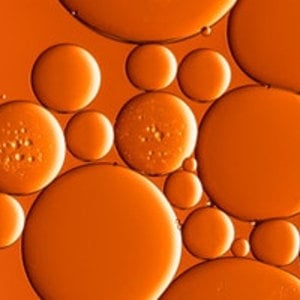
Oils are bad for oily skin types
Oil produced by our skin (sebum): Beneath each of our pores lies a sebaceous gland that produces natural oils, better known as sebum. This sebum is secreted through the pores to keep the skin hydrated and healthy. However, these glands can sometimes produce too much or too little oil, leading to skin issues. Too much oil results in oily skin, while too little leaves your face feeling dry.
MYTH: "My face is already oily and shiny, so if I apply more oil to my skin, it will only get worse."
FACT: "Your skin needs oil to stay balanced. Oils are therefore not necessarily bad for oily skin."
When you think of oils on the skin, there is usually quite a bit of stigma surrounding them. A greasy face, for example, is typically associated with an unclean or unwashed complexion (and shininess) and can even be perceived as less attractive. And as if that wasn't bad enough, oily skin could potentially lead to skin problems such as clogged pores and acne.
So... if it's all that bad, why would you ever consider putting even more oil on your face? And why pay money for it either! ¯_(ツ)_/¯
The fact is that your skin absolutely needs oil to stay healthy and balanced. Whether you like it or not, your skin requires oils to keep itself soft, supple, and hydrated. The trick is to understand and master the use of oils, ultimately making them work to your advantage. Once you gain a better understanding of how oils work, we bet that oils will become an absolute must-have in your skincare routine!
Linoleic acid vs. Oleic acid
Genetics, age, hormones, diet, seasonal changes, a damaged skin barrier (dehydrated skin), and the overuse or misuse of skincare products are some of the main factors influencing our skin's sebum production. Knowing the cause allows us to treat it accordingly:
The sebum of an oily, congested skin usually consists of (an accumulation of too much) Oleic Acid. Precisely by using oils with a higher Linoleic Acid content, this can be reversed to restore the natural balance of the two types of acids, leading to a healthier, clearer complexion with fewer blemishes and acne.
Read more